Situational Experience
Tariff-driven dynamics in strategic A&D transactions





About this experience
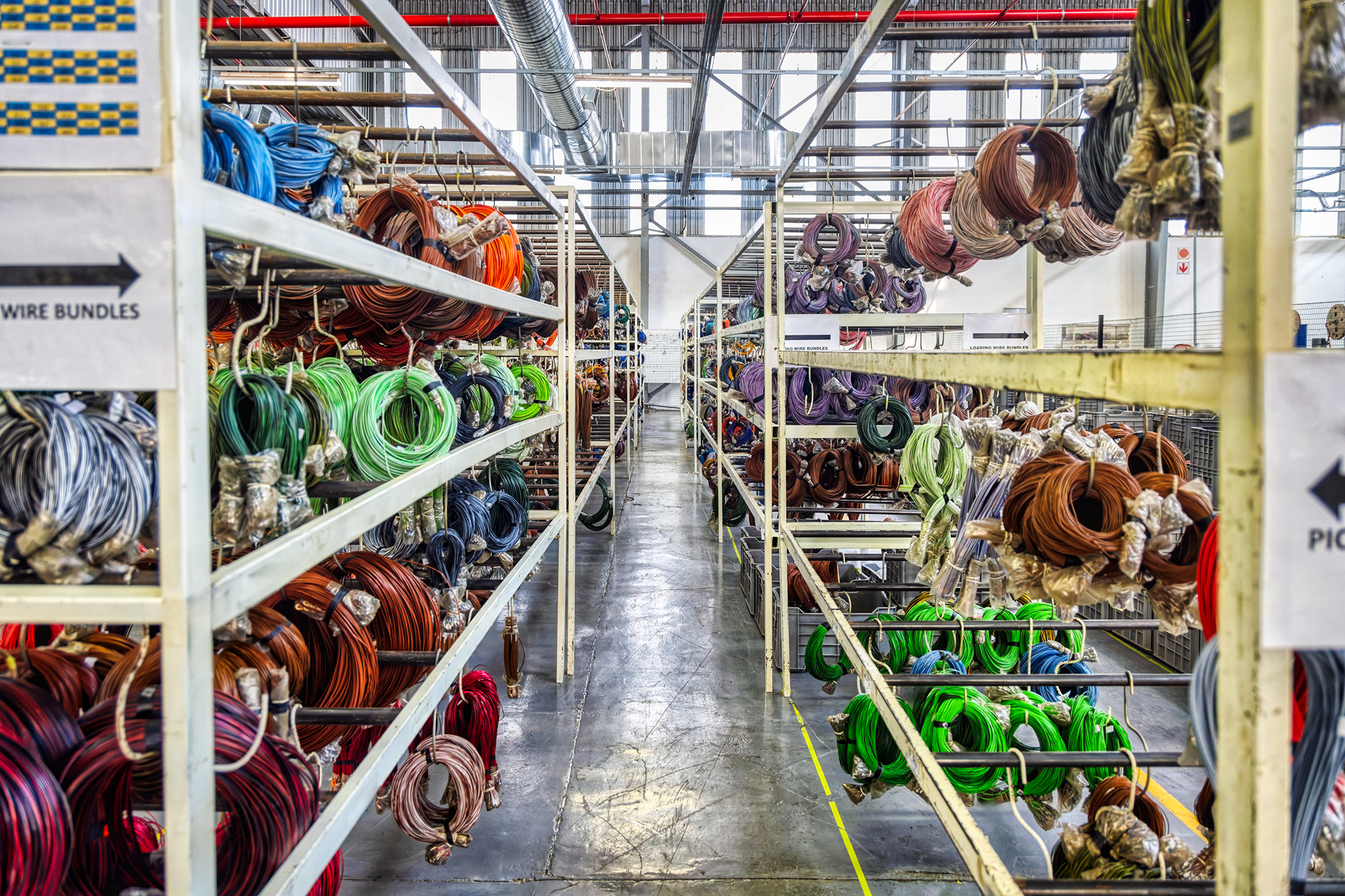
A sell-side process for an aerospace and defense wire harness manufacturer conducted amid evolving global trade conditions, where international strategic motivation ultimately shaped valuation, structure, and speed of execution.
A founder-owned wire harness and cable assembly company serving aerospace and defense end markets engaged L&L to support a sell-side process as the founder began planning for retirement. The company was introduced to the market during a period of heightened global trade complexity, as buyers across industries reassessed supply chains, manufacturing footprints, and cross-border exposure.
Interest emerged quickly from a broad range of domestic and international acquirers. While many buyers evaluated the business based on traditional financial and operational criteria, certain international parties viewed U.S.-based manufacturing capacity through a broader strategic lens shaped by global trade considerations.
Over a 90-day period, more than 160 interested parties were identified. Domestic buyers remained active and competitive throughout the process; however, one international acquirer demonstrated a level of urgency and conviction that differentiated it from the broader buyer set. That buyer maintained existing international operations and evaluated the acquisition as part of a larger cross-border operating strategy.
A letter of intent was executed with diligence and closing scheduled within 45 days. The transaction proceeded on schedule and closed as planned.
Situation
- Founder-owned wire harness and cable assembly company seeking buyout
- Broad market exposure across domestic and international buyers
- Active buyer interest during a period of evolving global trade dynamics
- One buyer with incremental, non-obvious international strategic motivation
- Accelerated diligence and closing timeline driven by buyer-specific urgency
Outcome
The founder ultimately selected an international buyer whose strategic priorities extended beyond standalone performance and into broader supply chain and operating considerations. While multiple buyers were capable of completing a transaction, the selected acquirer demonstrated clarity of intent, speed of execution, and a willingness to commit capital decisively.
The transaction closed on an all-cash basis within 45 days of signing the letter of intent. Final valuation exceeded what domestic buyers were able to support at the time, reflecting buyer-specific strategic relevance rather than general market conditions. For the founder, the outcome delivered liquidity, certainty, and a clean transition to a well-capitalized owner positioned to deploy the business within a global operating framework.
- Transaction value reflected buyer-specific strategic motivation and cross-border relevance
Market Observations
Situations like this often illustrate how external market forces can advantage certain buyers without diminishing overall demand.
- Buyer motivation is not uniform.
Even in competitive processes, some buyers possess strategic drivers that materially increase value beyond what others are willing or able to support. - Global operating context can influence valuation in non-obvious ways.
International acquirers may underwrite U.S. assets based on enterprise-wide supply chain efficiency, regulatory positioning, or cost structure—not solely on standalone financial performance. - Premium outcomes often emerge from asymmetric use cases.
The highest-value buyer is not always the most visible early participant, but the one with the clearest long-term application for the asset.
Every situational experience is more than just numbers — it represents long-term relationships and shared success.


Experience Inside the Market
Pattern recognition creates clarity where theory falls short.
Founders can be highly capable and deeply informed, yet still lack pattern recognition in transactional environments. That perspective is earned through repeated exposure to how deals actually unfold.
Situational experience is built through time spent inside live transactions, not through models or precedent alone.
As situations repeat across industries and market cycles, patterns emerge—how different buyer types behave, how external forces reshape outcomes, and when certain paths are realistically executable.
Understanding the field and the players allows founders to move beyond theory and into clearer decision-making, especially when timing, risk, and personal goals begin to matter as much as valuation.